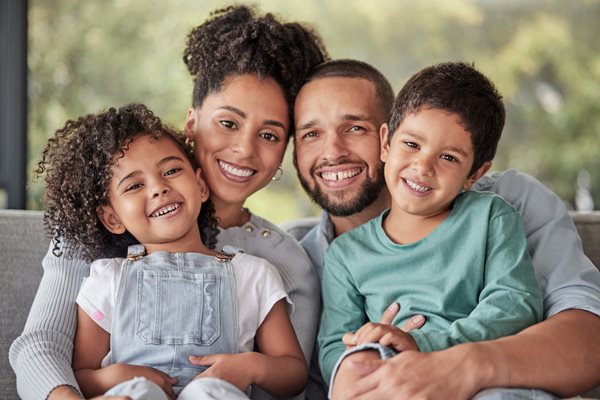
This is the third and final piece in a series by Rabbi Laurie Matzkin. Interfaith and mixed-heritage families are central to the present and future of Jewish family life. In this piece, Rabbi Matzkin speaks directly to the greater community with advice about how to be more welcoming and inclusive to multifaith families.
For a long time, interfaith and mixed-heritage families were often described from the outside. Increasingly, Jewish communities are inviting families to speak for themselves.
Researchers, educators, clergy, funders, PJ Library partners, and community leaders have been asking more direct questions: What helps you feel welcome? What makes your participation feel possible? What words do you use for your family? What do you want your children to inherit? What do you wish Jewish communities understood?
Much of this learning has come through organizations and initiatives, including 18Doors, Honeymoon Israel, and PJ Library. The answers gathered through studies, webinars, surveys, and listening sessions are helping Jewish organizations rethink language, invitations, programming, assumptions — and what real welcome requires.
Jewish tradition teaches the value of kavod habriyot, honoring the dignity of every person. For interfaith and mixed-heritage families, dignity begins with being listened to. It means having your family known on its own terms, with room for your own words, practices, questions, and hopes. A few themes come up again and again:
Ask us how we describe our family
Some families use such terms as interfaith, mixed-heritage, multifaith, Jewish-and, Jew-ish, or Jewish family. Some use different words in different settings. One parent put it this way: “I’m a Jewish parent, and we have a Jewish family, but my partner isn’t Jewish.” A label can be useful. It should never take the place of listening.
Do not assume
A family with more than one background may be making thoughtful choices. They may celebrate some things and not others. Their choices may also change over time. One family member advised, “If someone tells you that they’re a multicultural or multifaith family, don’t make your own assumptions about what that multi-ness may be.”
Make it easier to participate
When it comes to joining in a Jewish community event, families often want clear invitations. Who is this event for? What will happen? Do we need to know Hebrew? Are children welcome? Is a partner from another background expected to participate, observe, translate, lead, or simply be present? Clear explanations, transliteration, context, and warmth can make participation feel possible.
Respect the whole family
Children may carry more than one family story. Grandparents may bring love, memories, questions, or expectations. Partners may bring support, curiosity, caution, or a desire to learn.
And perhaps most simply, there is this request:
Get to know us
Ask us about ourselves and listen to what we have to say about how we want to be involved. What you know about your own multifaith home belongs in this conversation too. What helps your family participate, what language feels right, and what your child is carrying are all part of the story.
The more multifaith families describe what actually helps, the more Jewish communities can plan activities, events, and gatherings with real households in mind. And when one family shares what helps them feel seen, another family may feel less alone.
Jewish communities have more work to do: to keep asking, keep listening, and to be guided by what they hear so that they can be truly welcoming to all those who come through their doors.
About the Author
Rabbi Laurie Matzkin is the Chief Jewish Experience Officer at the Peninsula Jewish Community Center in Foster City, California, and a Rukin Rabbinic Fellow with 18Doors. A former Family Educator for PJ Library in Silicon Valley, she loves helping families find language, stories, rituals, and questions that make Jewish life feel meaningful at home. A fifth-generation Bay Area native, Laurie lives with her husband, a local Jewish educator, and their two sons.
More
Lessons from a Multifaith Family
More for Interfaith Families
What the Term “Interfaith Family” Means via 18Doors
October 12, 2026